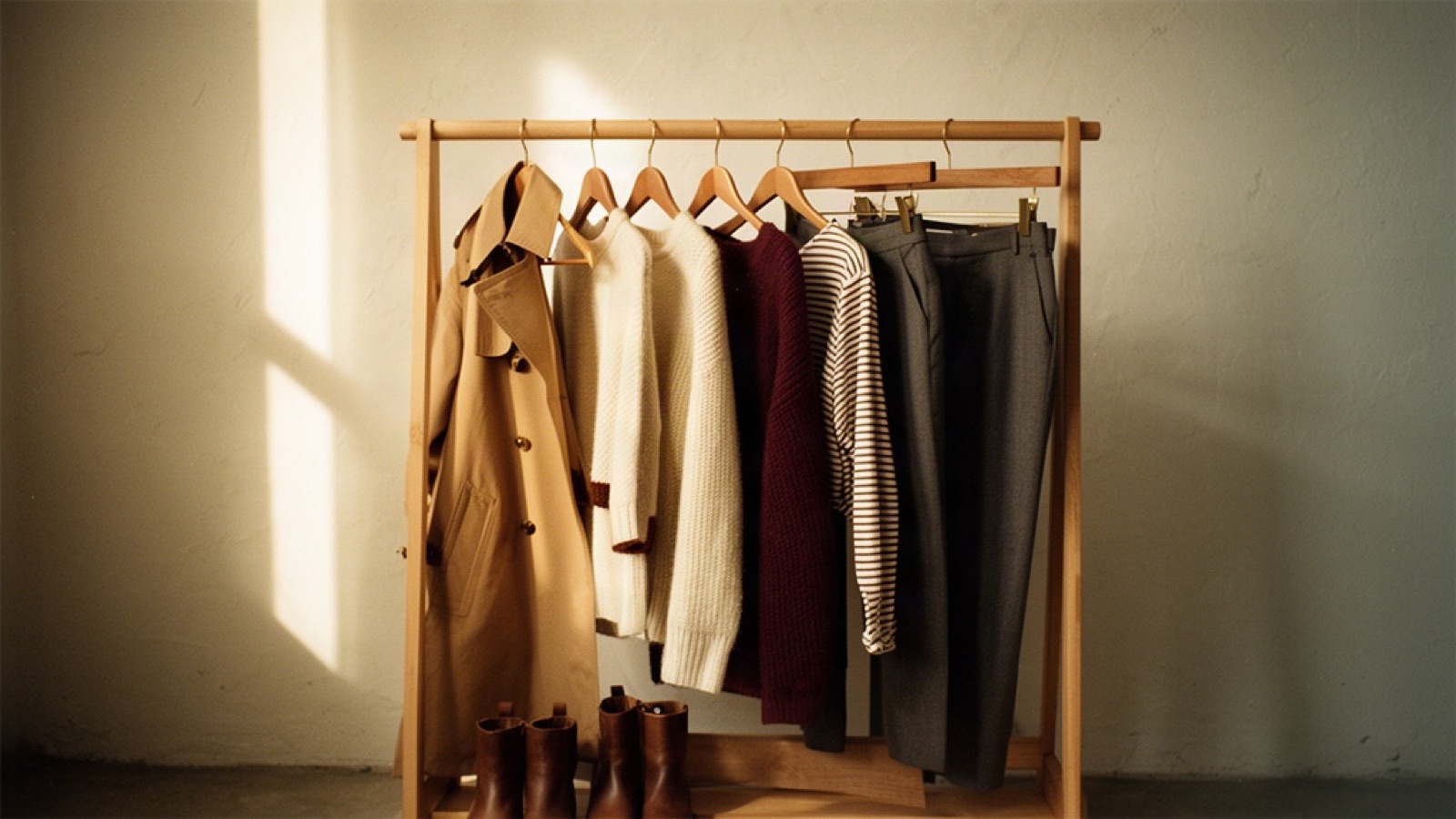
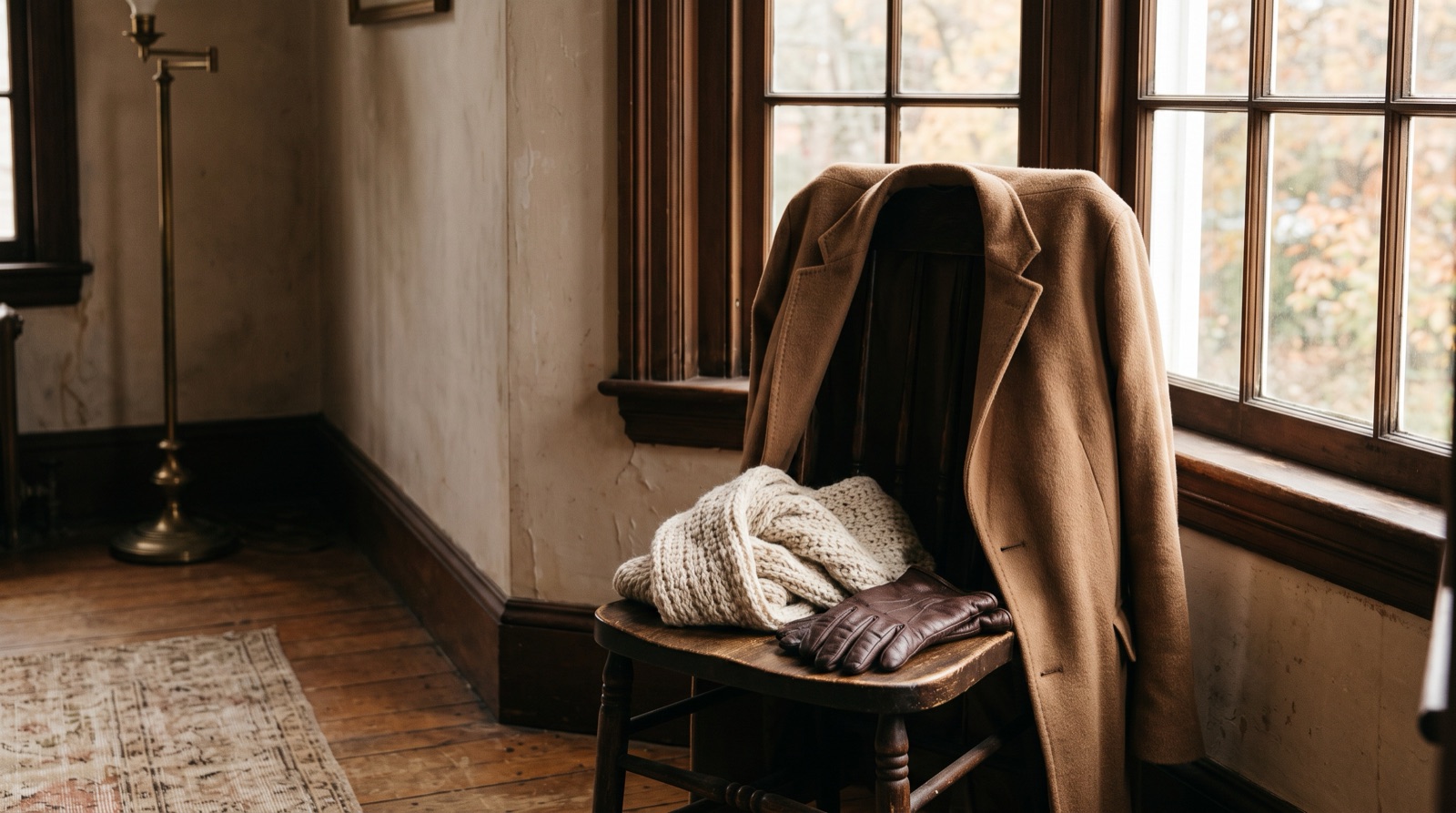
There is one purchase each year that deserves more thought than the rest, and it is the winter coat. It is the piece you wear every day for months, the first thing people see when you arrive, and the layer standing between you and the weather. Choose well and a good coat can stay with you for a decade. Choose in a hurry and you may be shopping again next November.
The trouble is that coats are hard to judge on a hanger. So what actually makes a winter coat worth buying? Let’s walk through fabric, cut, length, and fit, in the order that matters most.
Start With the Fabric
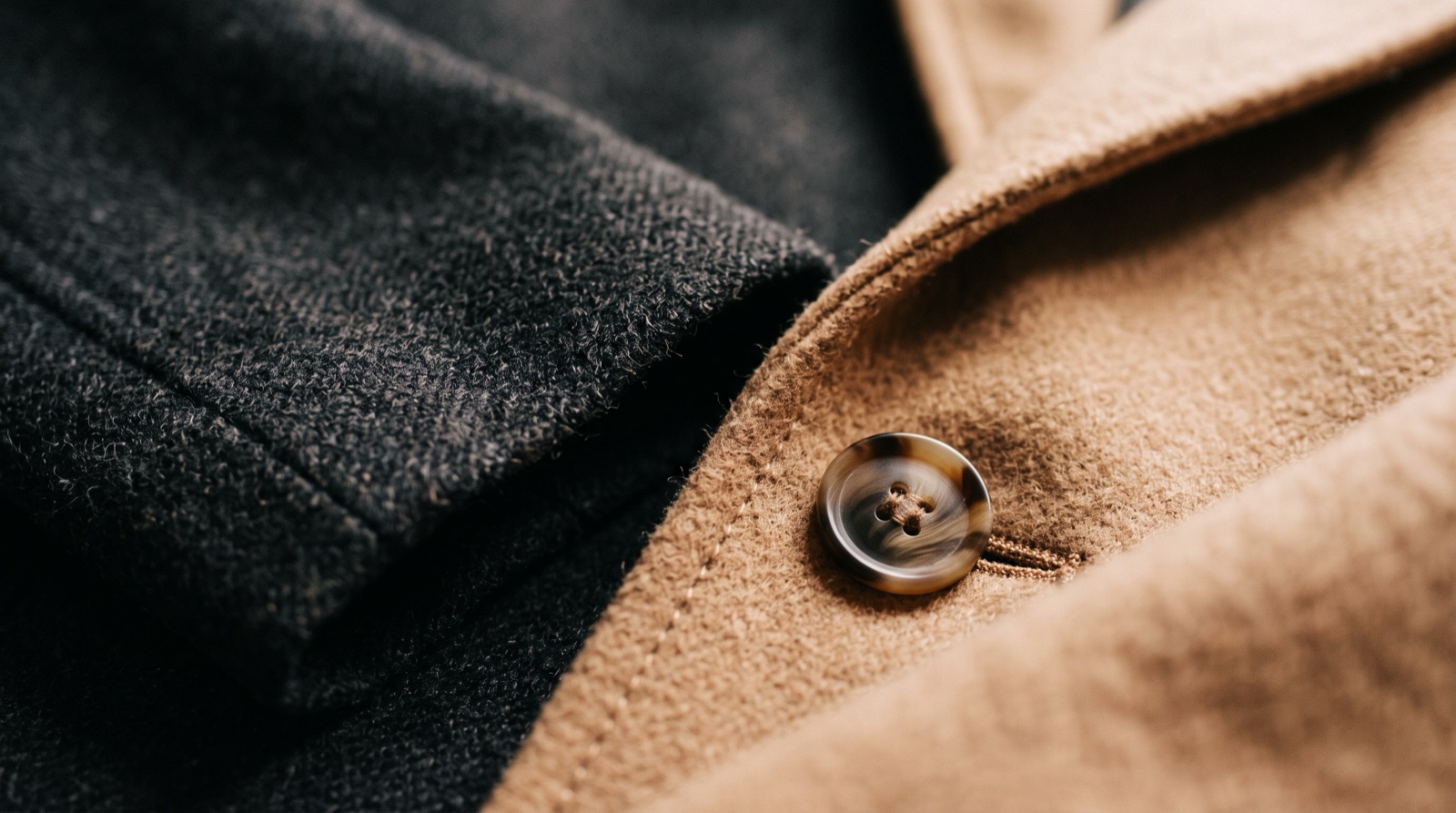
Read the label before you look in the mirror. For a classic tailored coat, wool is still the benchmark: it is warm, breathable, and naturally resists creasing. The higher the wool content, the warmer and longer-lasting the coat tends to be. A blend with some synthetic fiber can add durability and lower the price, but a coat that is mostly polyester will usually pill and look tired far sooner.
A few fabric names are worth recognizing:
- Melton is a dense, tightly felted wool that blocks the wind beautifully and is a favorite for peacoats.
- Boiled wool is knitted wool that has been shrunk and felted, giving a soft yet structured coat with real warmth.
- Cashmere and cashmere blends are wonderfully soft and light, though they ask for gentler care.
- Down and other insulated fills are a different world entirely, winning on warmth for their weight and suiting very cold, wet climates.
Give the fabric a squeeze. Good wool springs back and feels substantial. Thin, papery cloth will not keep you warm, no matter how good the cut.
Choose a Cut That Fits Your Life
Coat shapes come and go, but a handful of cuts have stayed in rotation for generations because they flatter and they work.
- The single-breasted overcoat: clean, straight, and easy over everything from tailoring to a chunky sweater. If you want only one coat, this is the safest choice.
- The double-breasted coat: more structured and a little more formal, with extra warmth where the front overlaps.
- The wrap coat: belted at the waist, softly draped, and endlessly elegant. It adjusts to the layers underneath, which makes it surprisingly practical.
- The cocoon coat: rounded through the body and relaxed. Wonderful over big knits.
- The peacoat: short, double-breasted, and nautical, best for a casual wardrobe and for anyone who walks or cycles a lot.
Think honestly about how you spend the winter. A long wrap coat is lovely for city commutes and evenings out, but it is less fun on a bicycle.
Get the Length Right
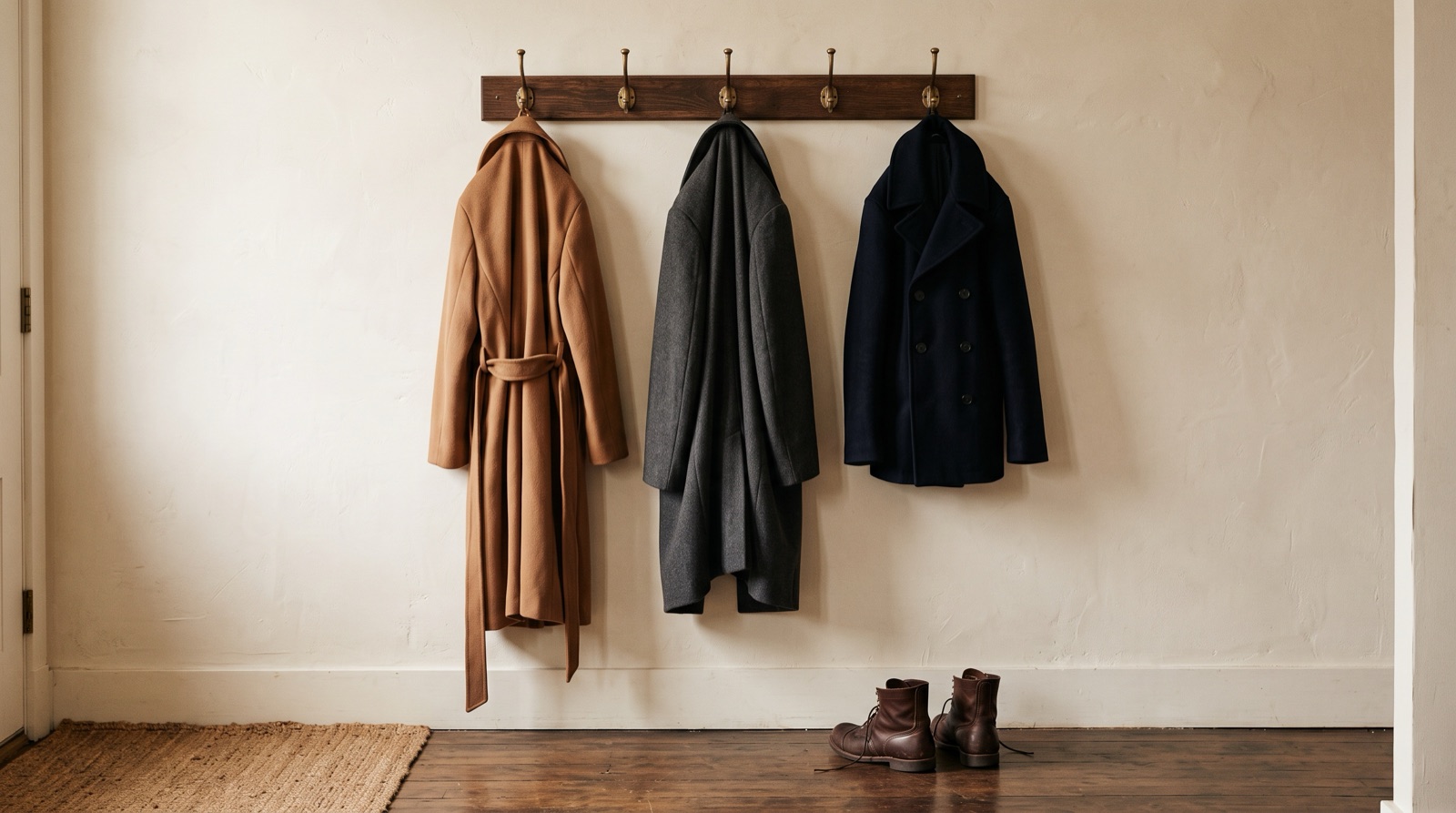
Length changes both the warmth and the proportions of a coat. Hip-length coats are practical and sporty. Coats that end at mid-thigh are the most versatile, easy with trousers, jeans, and short skirts alike. Knee-length coats cover most skirts and dresses and look polished with almost anything. Longer, calf-length coats are the warmest and most dramatic, though they work best over streamlined shapes.
A useful rule of thumb: your coat should be at least as long as anything you wear beneath it. A hem peeking out below the coat tends to look accidental rather than intentional.
Check the Fit Over Real Layers
Always try a coat on over the thickest sweater you plan to wear with it. A coat that fits perfectly over a T-shirt in a warm shop can feel like a straitjacket by January.
Check the shoulders first, since they are the hardest part to alter. The shoulder seam should sit at, or just beyond, the edge of your shoulder. Then reach your arms forward as if giving someone a hug. The sleeves should still cover your wrist bone, and the back should not pull tight. Finally, button it fully and sit down. If the front gapes or strains, size up or try another cut.
Colors That Earn Their Place
If this is your only coat, choose a color that goes with everything you own. Camel, charcoal, navy, chocolate brown, and black are the classics for good reason, and camel in particular warms up a winter palette instantly. A bolder shade, such as forest green, burgundy, or rust, is a joy as a second coat once the foundations are covered.
The same thinking sits behind a good fall capsule wardrobe: fewer, better pieces that all work together. Your coat anchors that wardrobe through the coldest months, so let it agree with the rest. And if you enjoy choosing colors by the stars, our outfit ideas for your zodiac sign might tip the decision.
Small Details, Big Difference
Before you buy, look closely. Buttons should be sewn on firmly, ideally with a small backing button on the inside. A full lining helps the coat slide over sweaters and adds warmth. Pockets should be deep enough for cold hands, and the hems and seams should be straight and even.
Then think about what completes the look. A wool scarf, leather gloves, and a good pair of boots finish any coat, and on milder days a silk scarf tied at the neck brightens a dark one. If you spent the early autumn dressing for the shift from summer, you probably own half of what you need already.
A well-chosen coat is a quiet kind of luxury. You put it on without thinking, and it takes care of you all winter long. We wish you warm and stylish days ahead!