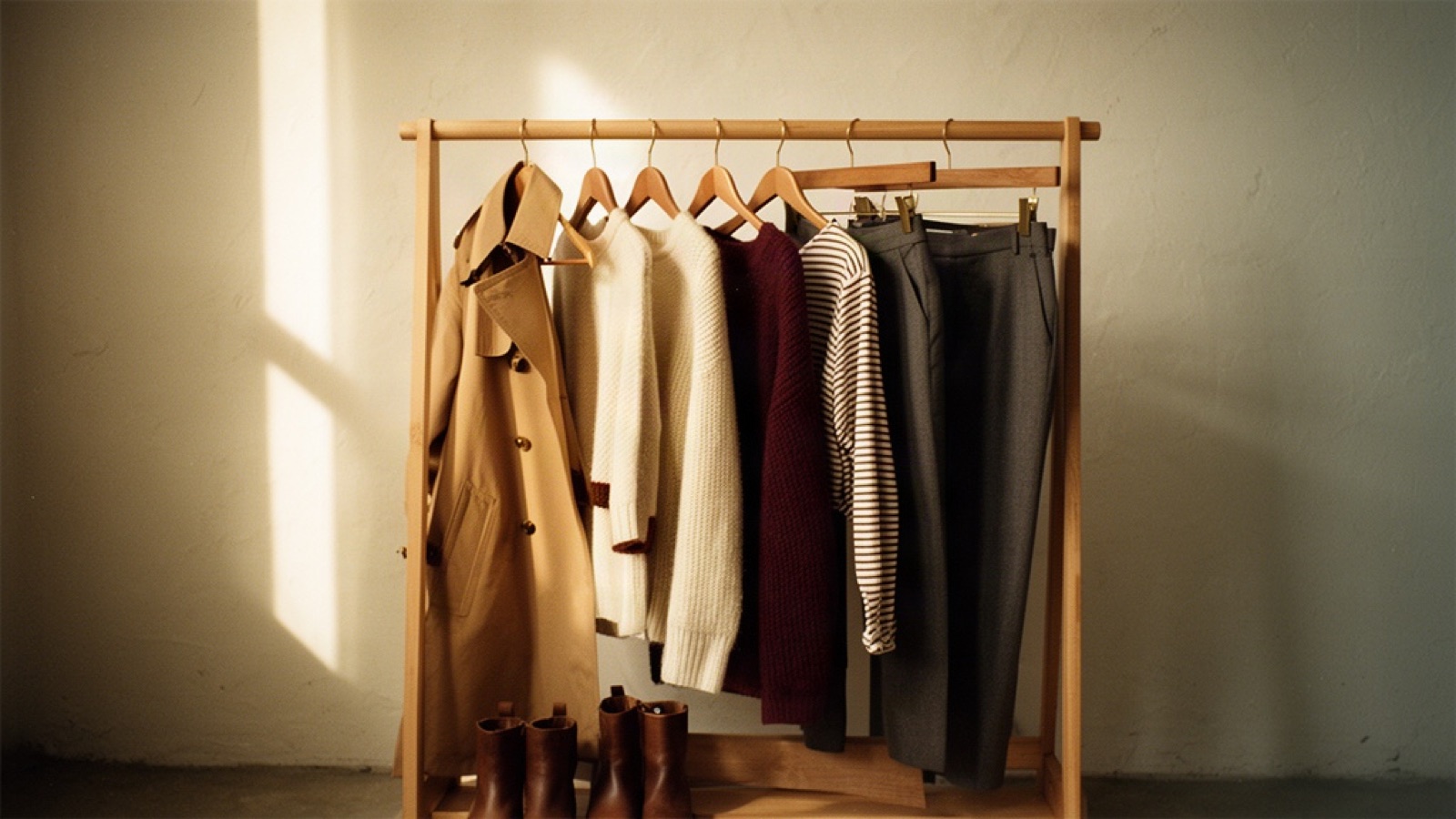
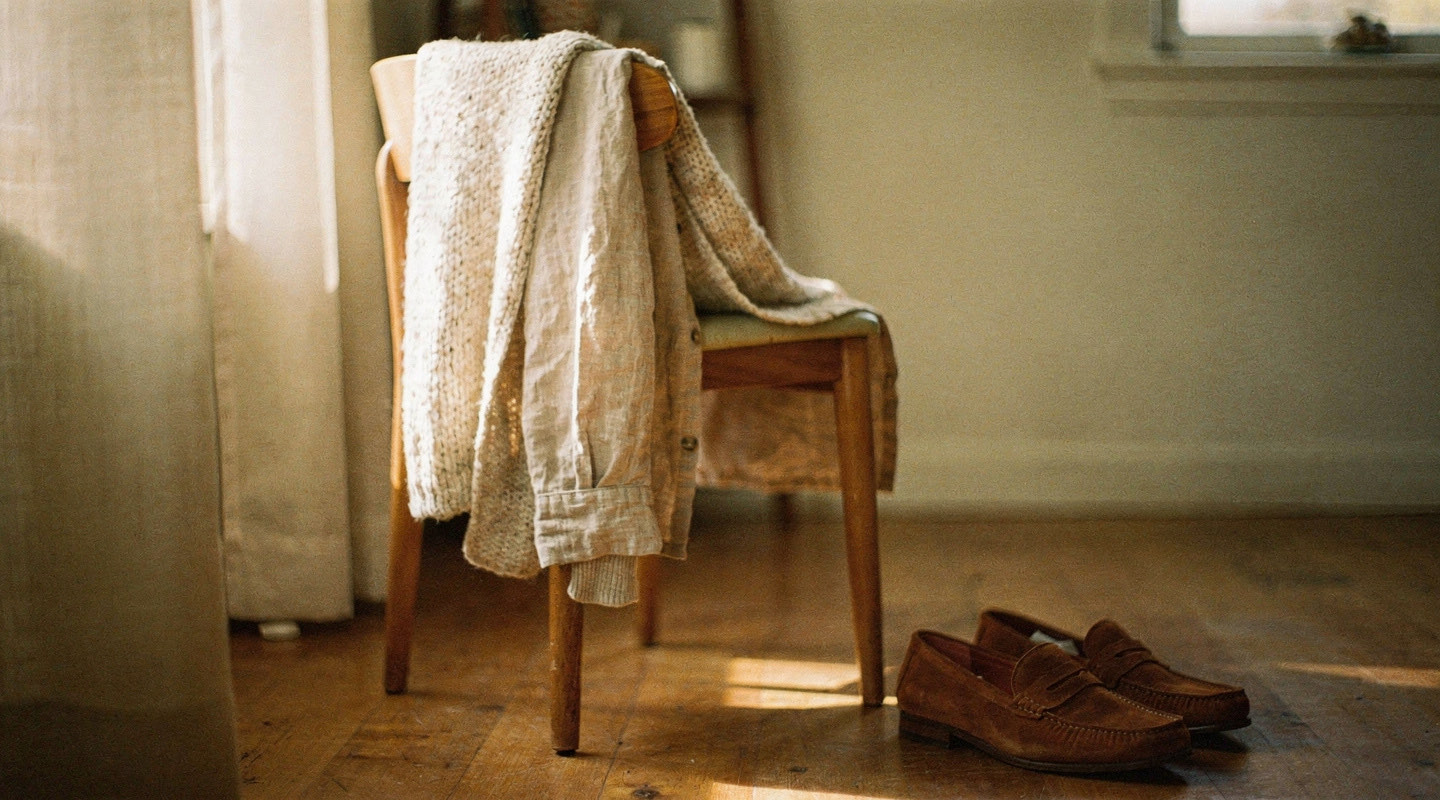
There is a stretch of a few weeks every year when the mornings have turned and the afternoons have not. Nothing in your wardrobe is right. The summer clothes are too thin at eight in the morning and the autumn ones are unbearable by two.
The instinct is to pack one season away and unpack the other, which is exactly the wrong move. Transitional dressing is about keeping most of what you already wear and changing how it is assembled. Here is how the in-between weeks actually work.
Layer Thin, Not Thick
The mistake is reaching for a heavy jumper. What you want is two or three light things you can remove one at a time.
A summer dress becomes an autumn outfit with a fine knit over the top, or a light shirt worn open like a jacket. A t-shirt gains a season under a slim knitted vest. The tissue-weight knits and short-sleeved sweaters that feel pointless in isolation are exactly the pieces that make this work, because they add a layer without adding real warmth.
The test is whether you can take something off at lunchtime and still have a complete outfit. If removing the top layer leaves you looking undressed, you have layered wrong.
Change the Palette Before You Change the Clothes
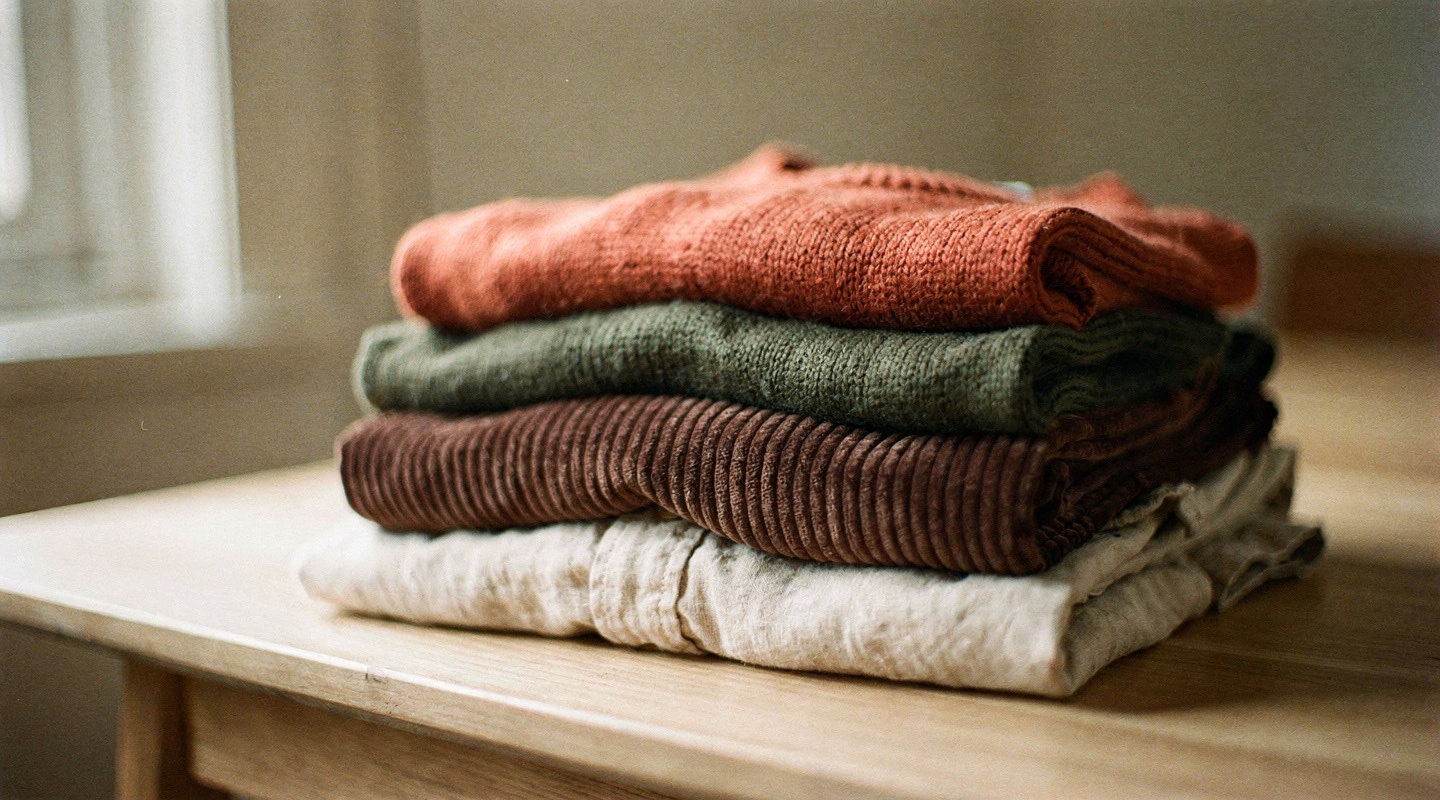
This is the cheapest and most effective adjustment, and almost nobody makes it deliberately.
The same linen shirt reads as high summer in white and as early autumn in rust. Shifting toward the warmer end of your wardrobe changes the season of an outfit without changing a single garment. The colours doing the most work through these weeks are rust, amber, olive and moss, and above all chocolate brown, which has become the neutral of choice and warms everything it touches.
Soft pink is the other one worth knowing about, since it reads unexpectedly autumnal against brown and olive rather than summery.
Start with the pieces closest to your face, since that is where colour registers first. A scarf is the easiest possible way to test a shade before committing to a coat in it, and there are more ways to tie one than you would expect.
Bring In Texture Early
Texture signals a season faster than weight does, which is useful when it is still too warm for anything heavy.
Corduroy, suede, and a bit of knit all read as autumn even in light forms. A suede loafer with summer trousers, a corduroy shirt worn open over a t-shirt, a knitted vest over cotton: each of these shifts the season while keeping the actual warmth roughly where it was.
Satin is the surprise of this particular season and it layers well, catching light in a way that stops darker autumn colours from going flat. Worn under a knit or a light jacket, it does the same work a silk scarf does, adding a little shine to a matte outfit.
The Pieces That Carry the Most Weight
A few specific things do a disproportionate amount of work in these weeks.
- A light structured jacket. The high-necked, funnel-collar shapes doing the rounds are popular for a practical reason: a raised neckline makes a simple outfit look considered, and it covers the exact bit of you that gets cold first.
- A boxy crop trench. Works over the wider, shorter summer trousers that otherwise look stranded in September.
- Dark-wash denim. Reads more autumn than a pale wash while behaving identically.
- Suede boots or loafers, in brown. The single fastest way to move an outfit out of summer.
- A fine knit in a warm neutral. The layer you will actually reach for every morning.
- Stripes. Perennial, and they sit comfortably in both seasons, which is the whole point right now.
Notice how much of that list is footwear and outerwear. That is the shortcut: change what is at the very top and the very bottom of an outfit, and the middle can stay exactly as it was all summer.
Dressing for a Day That Changes
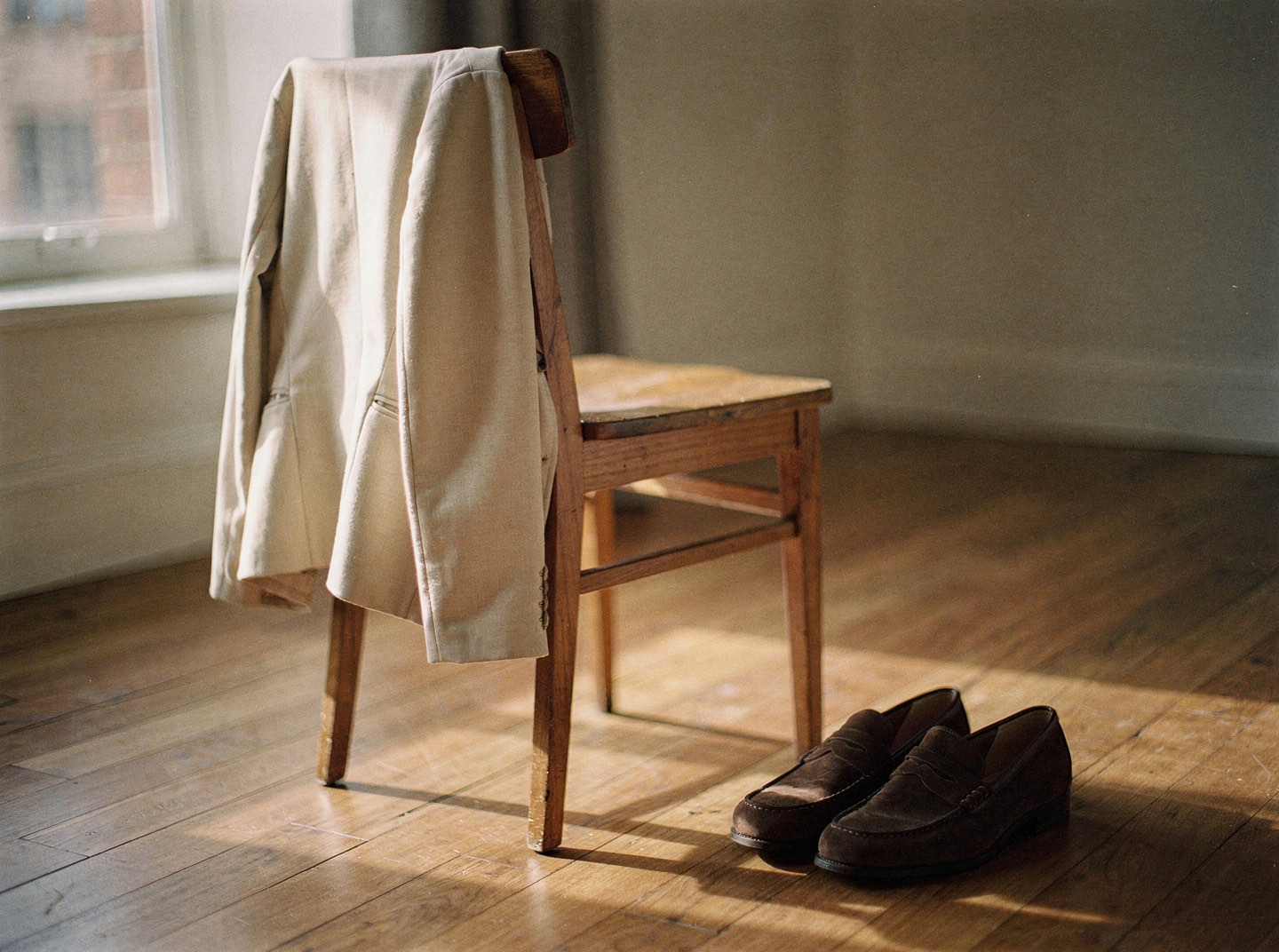
The practical problem is a twelve degree swing between morning and afternoon, and it has a practical answer.
Dress for the coldest part of the day in removable pieces, not in warm ones. Anything you cannot take off in public, a heavy jumper, a lined dress, is a bad choice in these weeks no matter how good it looks at breakfast.
Keep bare ankles and closed shoes as long as you can stand to. Trousers ending above the ankle with a loafer is the most reliable transitional combination there is, because it is cool enough at noon and looks intentional at eight.
And carry something. A light scarf or a folded overshirt in a bag solves an evening that turned faster than expected, and it costs you nothing to have it.
Don’t Pack Summer Away Yet
The temptation at the end of August is to do the big wardrobe swap in one afternoon. Resist it for another few weeks.
Most of your summer clothes are not summer clothes at all, they are just thin. Linen, cotton, and silk all work perfectly well under something else, and treating them as base layers rather than as complete outfits is the entire trick. What actually goes away now is the small handful of things that only ever worked in direct sunlight.
If you want a starting point for the pieces worth keeping in permanent rotation, the case for a quieter wardrobe is a good frame for the in-between weeks specifically, since restraint is what makes layering read as considered. And if you would rather build outward from something more personal, dressing to your sign is a more playful way in.
Enjoy the few weeks where you get to wear both seasons at once. They are the best dressing of the year.