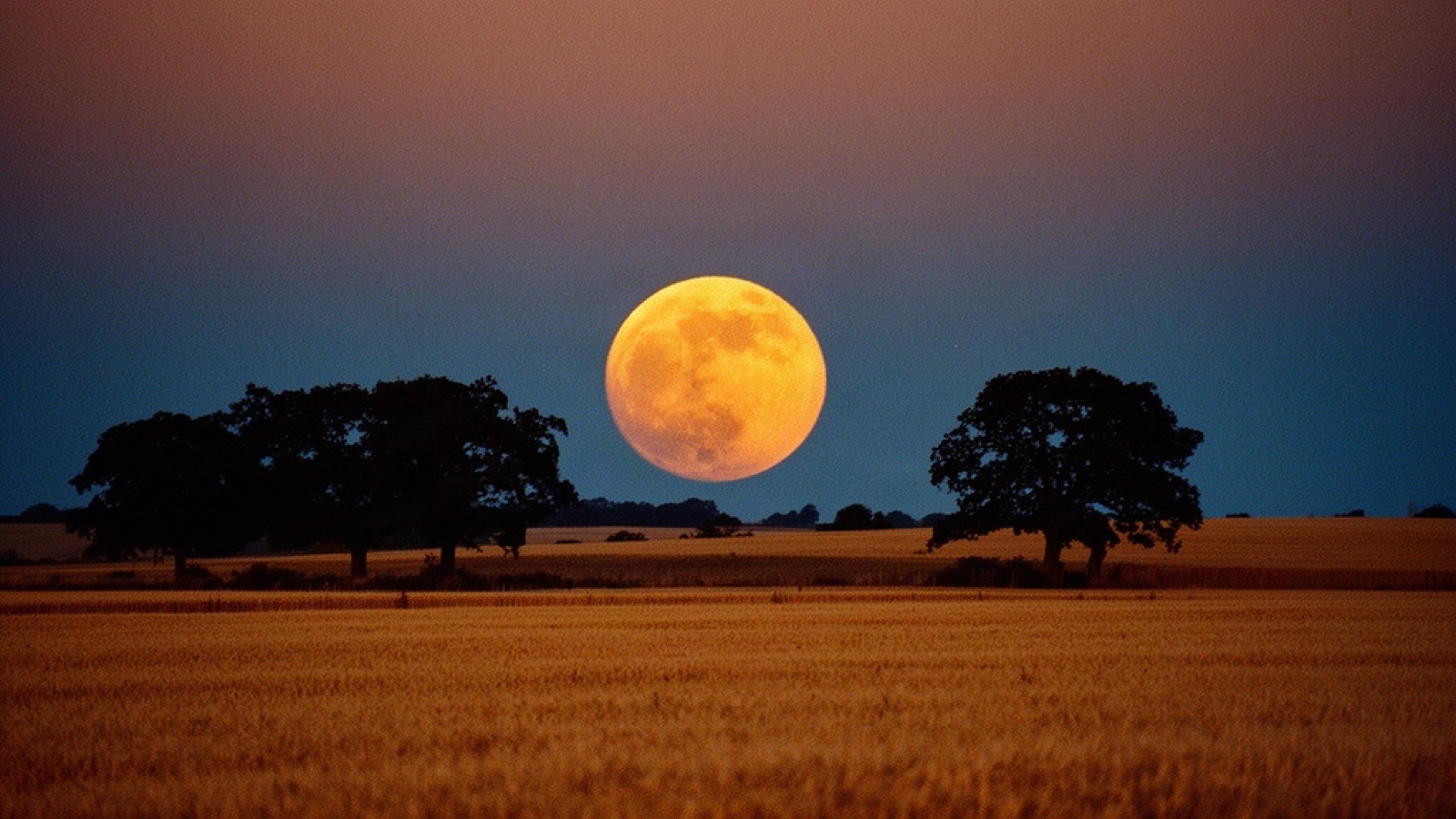
Some full moons need an introduction. The Harvest Moon never does. It is the one full moon whose name everyone seems to know, the one that rises fat and amber over the first truly cold evenings and makes even people who never look up stop on the sidewalk.
This year it arrives on September 26, just four days after the autumn equinox, and it rises in the fiery first sign of the zodiac. So what exactly makes a Harvest Moon, why does it seem to linger on the horizon night after night, and what does a full moon in Aries traditionally mean? Let’s look up together.
What Is the Harvest Moon?
The Harvest Moon is not a fixed month’s moon but a title that moves: it belongs to whichever full moon falls nearest the autumn equinox. Most years that is September’s moon, though it occasionally slips into October. In 2026 the equinox falls on September 22 and the full moon follows on September 26, an unusually close pairing.
The name is a farmer’s name, and it is older than any almanac that printed it. In the weeks of the grain harvest, before electric light, the bright moon rising at dusk let work in the fields continue into the night. The moon that lit the harvest became the Harvest Moon, and the name has outlived the need by a few comfortable centuries.
Why Does It Rise So Early, So Many Nights in a Row?
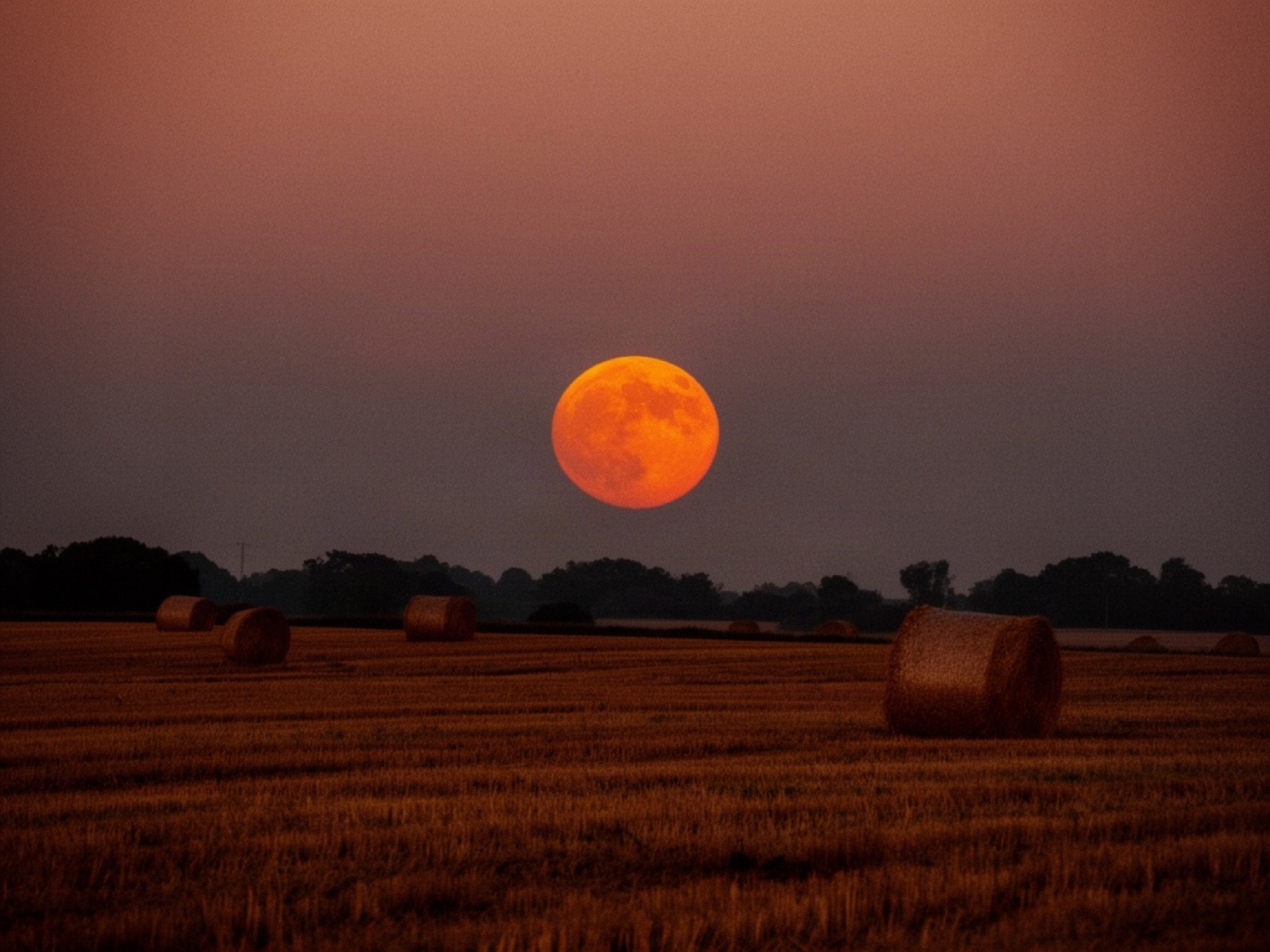
Here is the lovely piece of astronomy hiding inside the folklore. On an average night, the moon rises about fifty minutes later than it did the night before. Around the autumn equinox, the moon’s path makes a shallow angle with the evening horizon, and that nightly delay shrinks to twenty or thirty minutes in the mid-northern latitudes.
The effect is a run of several evenings in a row when a huge moon rises near sunset. To anyone watching the sky casually, the Harvest Moon seems to last half a week, glowing on the horizon at dinnertime night after night. The amber color is the horizon’s doing too: moonlight arriving low through thick air loses its blues, the same trick that reddens the setting sun.
What Does a Full Moon in Aries Mean?
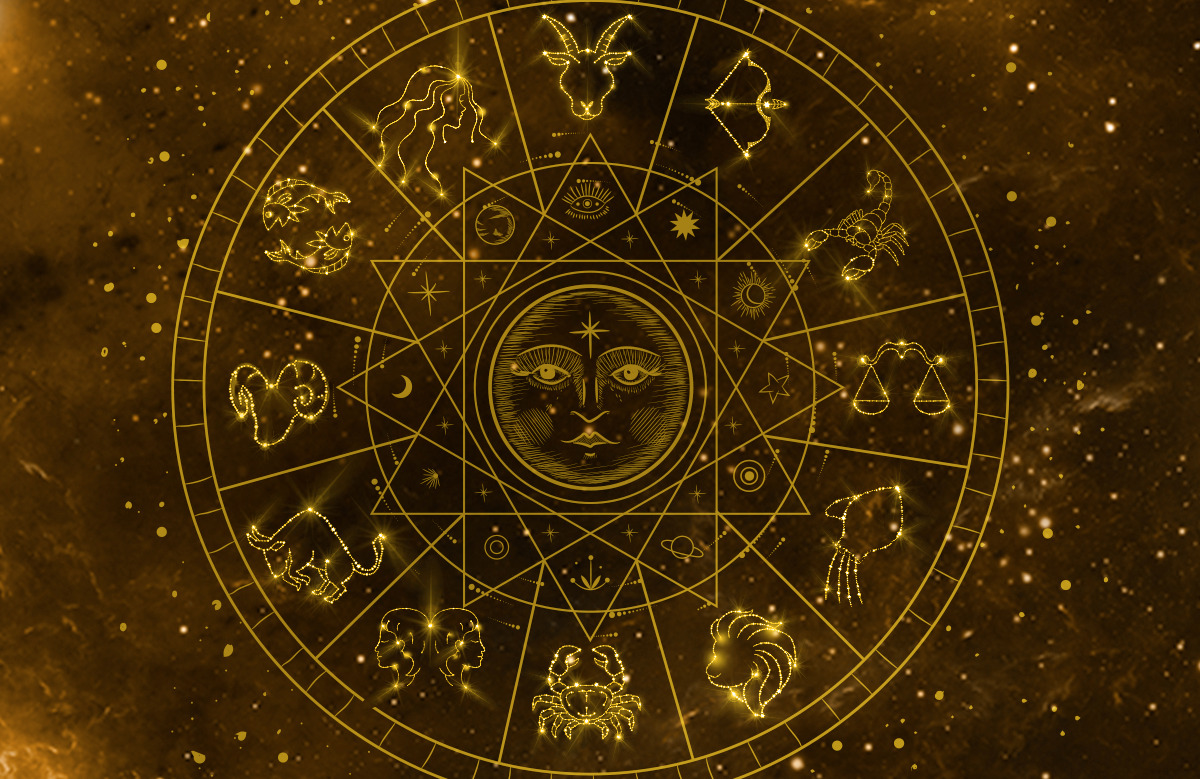
A full moon always sits opposite the sun, so it always wears the opposite sign. With the sun newly arrived in Libra, the sign of partnership and the scales, this full moon lights up in Aries, the ram, the zodiac’s headstrong first sign, ruled by Mars.
Astrologers read this particular opposition as the year’s clearest conversation between self and other. Aries stands for independence, appetite, and the courage to begin; Libra for compromise, courtesy, and the art of the two. A full moon is traditionally the point of maximum illumination in a lunar cycle, the moment things ripen and become visible, so the Aries Harvest Moon is often described as the night the year asks: where have you balanced yourself away entirely, and where could you stand to meet others halfway?
As always on this site, treat that as a mirror rather than a decree. The moon will not make anyone bold or agreeable. It offers a theme to reflect on, and at harvest time, a theme is a useful thing to hold. If the mechanics of signs are new to you, our guide to what a Moon sign means explains how the moon behaves in a birth chart, and our post on Libra season and the equinox covers the solar half of this month’s story.
A Quiet Ritual for the Harvest Moon
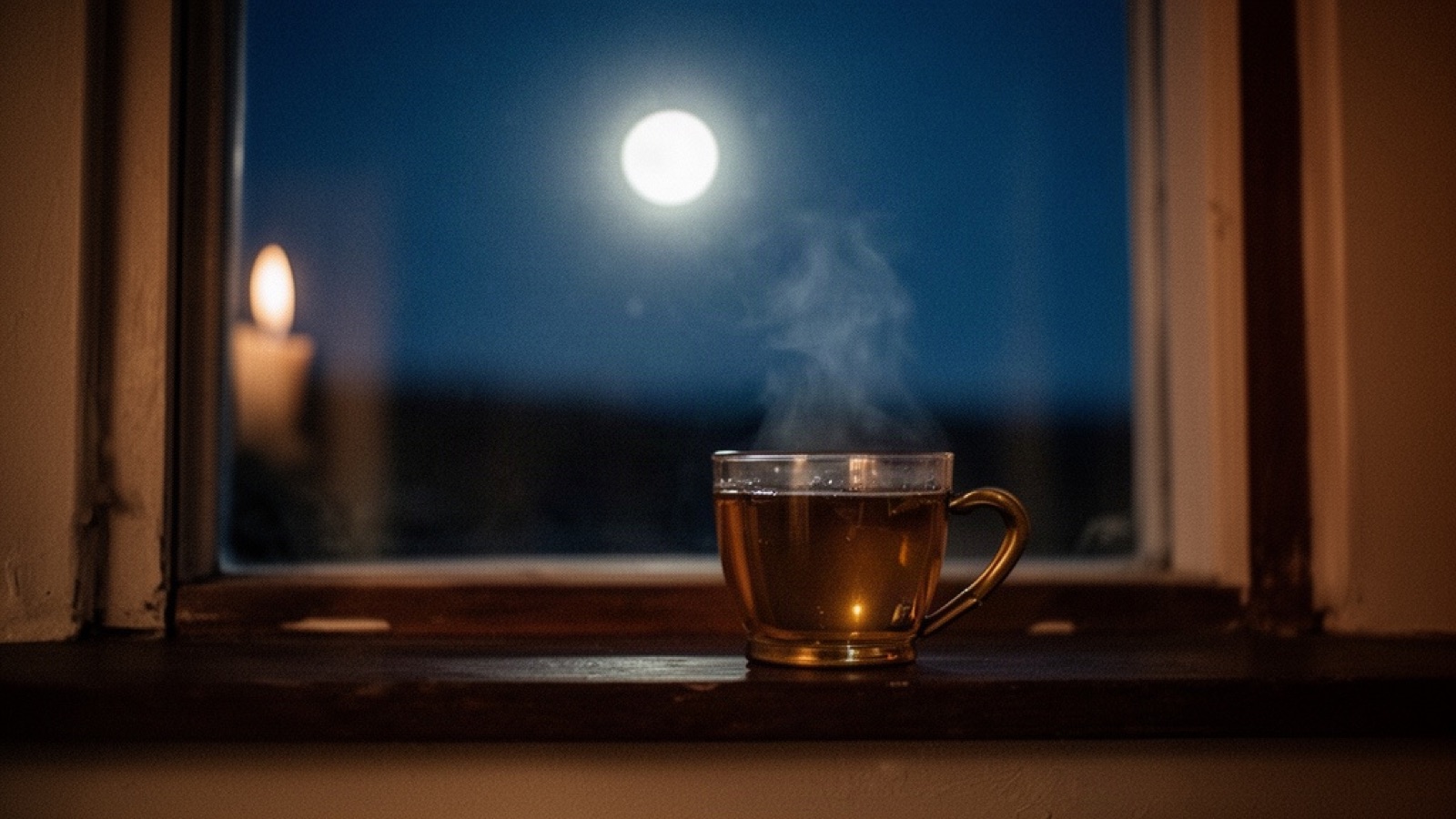
Full moon customs, ancient and modern, share one instinct: this is the moment of fullness, so it is the moment for gratitude and for letting go. No elaborate ceremony is required.
- Watch it rise. Find east at sunset and give the horizon twenty minutes. The low, orange, enormous moon is the whole show, and it is free.
- Name the harvest. Somewhere between the equinox and this night, write down three things the year has actually given you. The practice sounds small and is not.
- Release one thing. The Aries flavor of this moon suits releasing a conflict in particular: a grudge, a hard word, an argument that has outlived its subject.
- End with something warm. Harvest nights have always ended around a table. A cup shared in the moonlight, in the spirit of our equinox tea ritual, closes the evening honestly.
Does the Harvest Moon Look Bigger?
Mostly, no, and the reason is charming. A moon seen low on the horizon appears enormous, but measure it and it is the same half degree wide as ever. This is the famous moon illusion, a trick of perception that astronomers have discussed since antiquity and psychologists still argue about. Because the Harvest Moon spends so many consecutive evenings rising at convenient viewing hours, we simply catch it near the horizon more often, where the illusion works on us at full strength.
Knowing the trick spoils nothing. The low amber moon is no less beautiful for being the usual size.
The Moons That Follow
The Harvest Moon opens the grand finale of the lunar year. October brings the Hunter’s Moon, the other working moon of the old calendars, and the moons after it climb higher and colder toward midwinter. Each has its folk names and its own astrological setting, and we will meet them here as they come.
For now, the assignment is simple and pleasant: one clear evening in late September, be outside facing east at sunset. The oldest show in the sky is playing again. We wish you a bright Harvest Moon and a generous autumn!