Ask where to drink Turkish coffee and most answers will point you to Istanbul, reasonably enough. The city’s coffeehouse tradition is centuries deep, and we have written about its most storied rooms with love. But the coffee map of Türkiye does not end at the Bosphorus. It barely begins there.
Travel east and south into Anatolia and the familiar little cup starts changing: brewed in hot sand in one town, roasted twice and served bitter as medicine in another, made from no coffee beans at all in a third. Autumn, when the summer crowds thin and the weather turns kind, is the perfect season for this route. Here is where to go and what to order when you get there.
Cappadocia: Coffee Brewed in Hot Sand
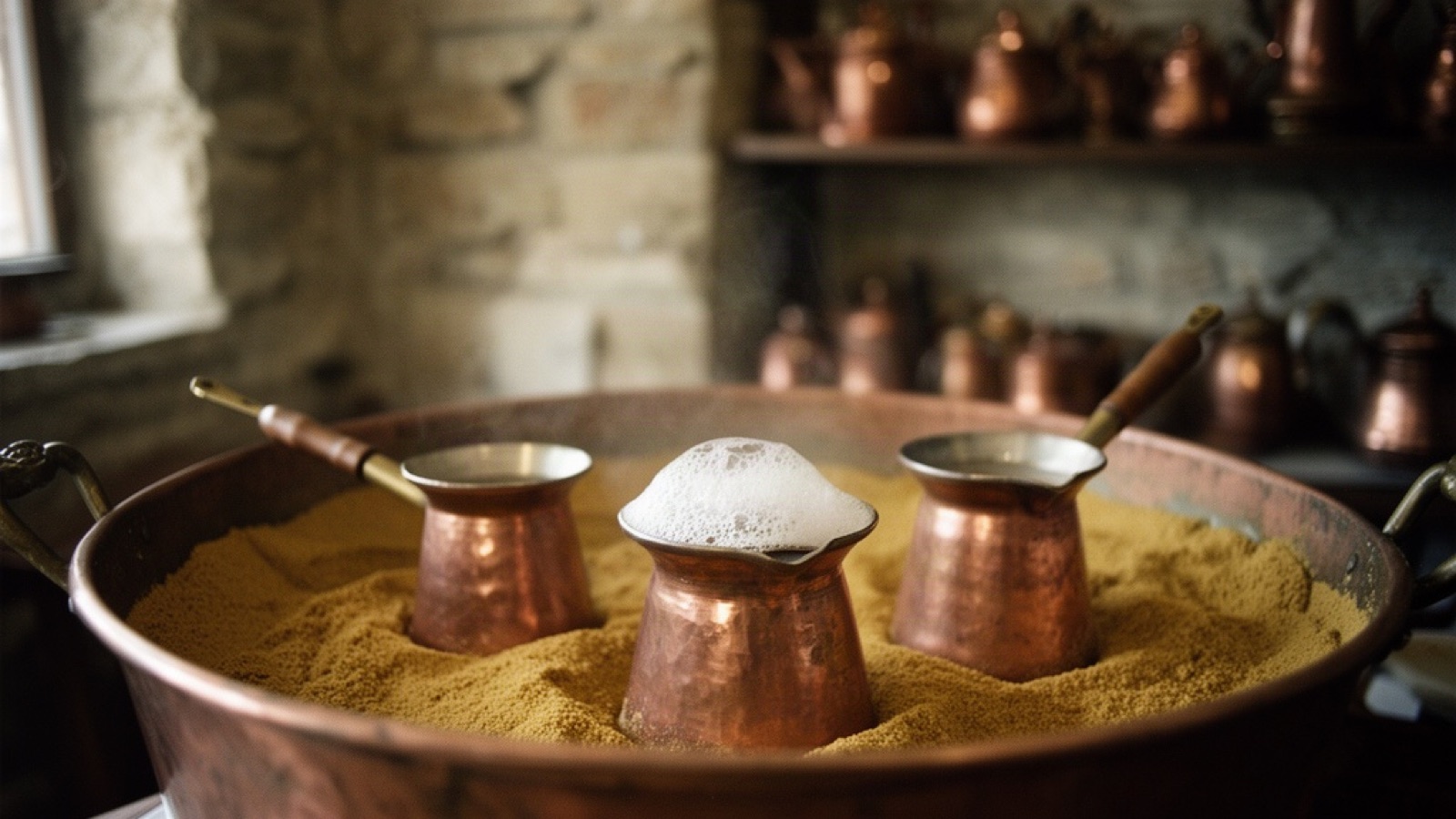
Among the valleys and cave hotels of Nevşehir province, look for the wide copper pan filled with fine sand, glowing over a flame. This is kumda kahve, coffee cooked on sand. The cezve is nestled directly into the hot sand, which wraps the little pot in slow, even heat that an open flame cannot match. Brewers control the temperature by depth alone, pushing the cezve deeper for heat and drawing it shallow to let the foam build gently.
The result, done well, is a remarkably velvety cup with a patient, unbroken foam. It is also simply a pleasure to watch, half brewing method and half small theater. Cafes and workshops around Göreme and Ürgüp will let you brew your own, and many pair the experience with a traditional cup reading afterward. If you go, brush up first on how a cup is read and the etiquette around it, because in Cappadocia the fortune often comes with the coffee.
Şanlıurfa: Mırra, the Bitter Cup of the Southeast
In the old stone courtyards of Şanlıurfa, coffee becomes ceremony entirely. Mırra takes its name from the Arabic word for bitter, and it earns it: the beans are roasted twice and brewed long into a dark, intense essence far stronger than the coffee of the west of the country.
The serving ritual is as distinctive as the taste. Mırra is poured in a small amount into a tiny cup without handles, drunk in a swallow or two, and the cup is handed straight back to the server, never set down. It is the coffee of weddings, mourning, and honored guests, and being offered it is a courtesy worth accepting even if bitterness is not usually your taste. One cup of mırra explains more about how seriously this region takes hospitality than any guidebook could.
Gaziantep: Menengiç, the Coffee With No Coffee In It
Gaziantep is one of the great food cities of the world, and its most curious cup contains no coffee bean at all. Menengiç is brewed from the roasted fruit of the wild terebinth tree, a cousin of the pistachio that grows across the southeast. Ground and simmered, often with milk, it makes a drink that is nutty, gently roasted, and naturally caffeine-free.
The first sip is a pleasant surprise: unmistakably coffee-like in ritual and appearance, yet entirely its own flavor, somewhere near roasted nuts and dried fruit. It is the cup to order in the late afternoon when another dose of caffeine would cost you your sleep, ideally beside a slice of the city’s katmer or baklava. Neighboring cities of the region, Siirt and Mardin among them, pour their own beloved versions.
Mardin: Dibek Coffee on the Old Stone Streets
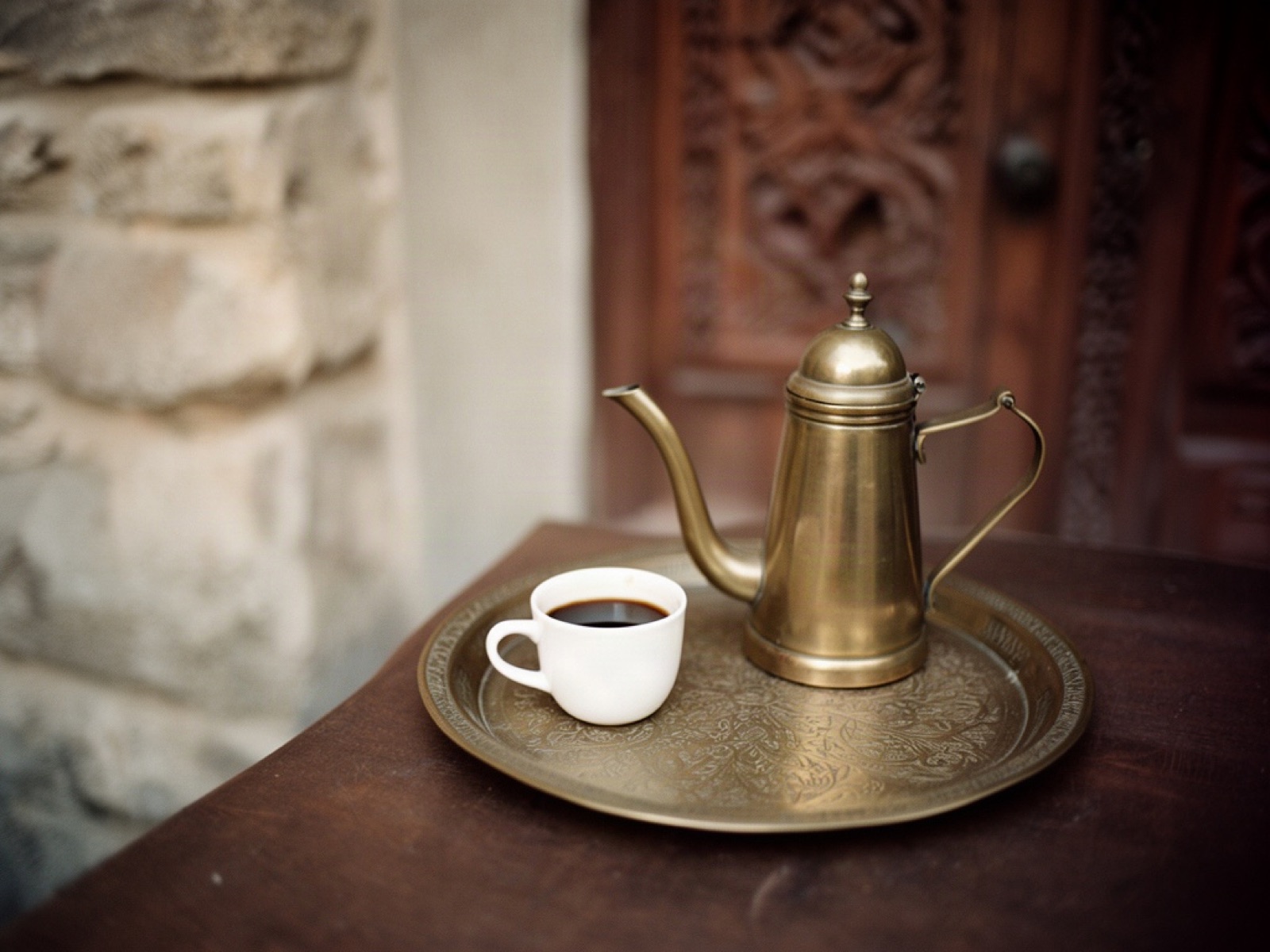
Mardin’s honey-colored old town looks out over the Mesopotamian plain, and its signature cup is dibek coffee, named for the large stone mortar in which the beans are traditionally pounded rather than machine-ground. The coarser, hand-worked grind, often blended with spices like cardamom, brews into a cup that is softer and rounder than the standard fine-ground version, with a thick, lasting foam.
Order it in one of the courtyard cafes along the main street and drink it slowly; Mardin is not a city that rewards hurry. The pounding of the dibek was once a familiar morning sound in these streets, and a few roasters still work the old way.
Safranbolu: A Cup Touched With Saffron
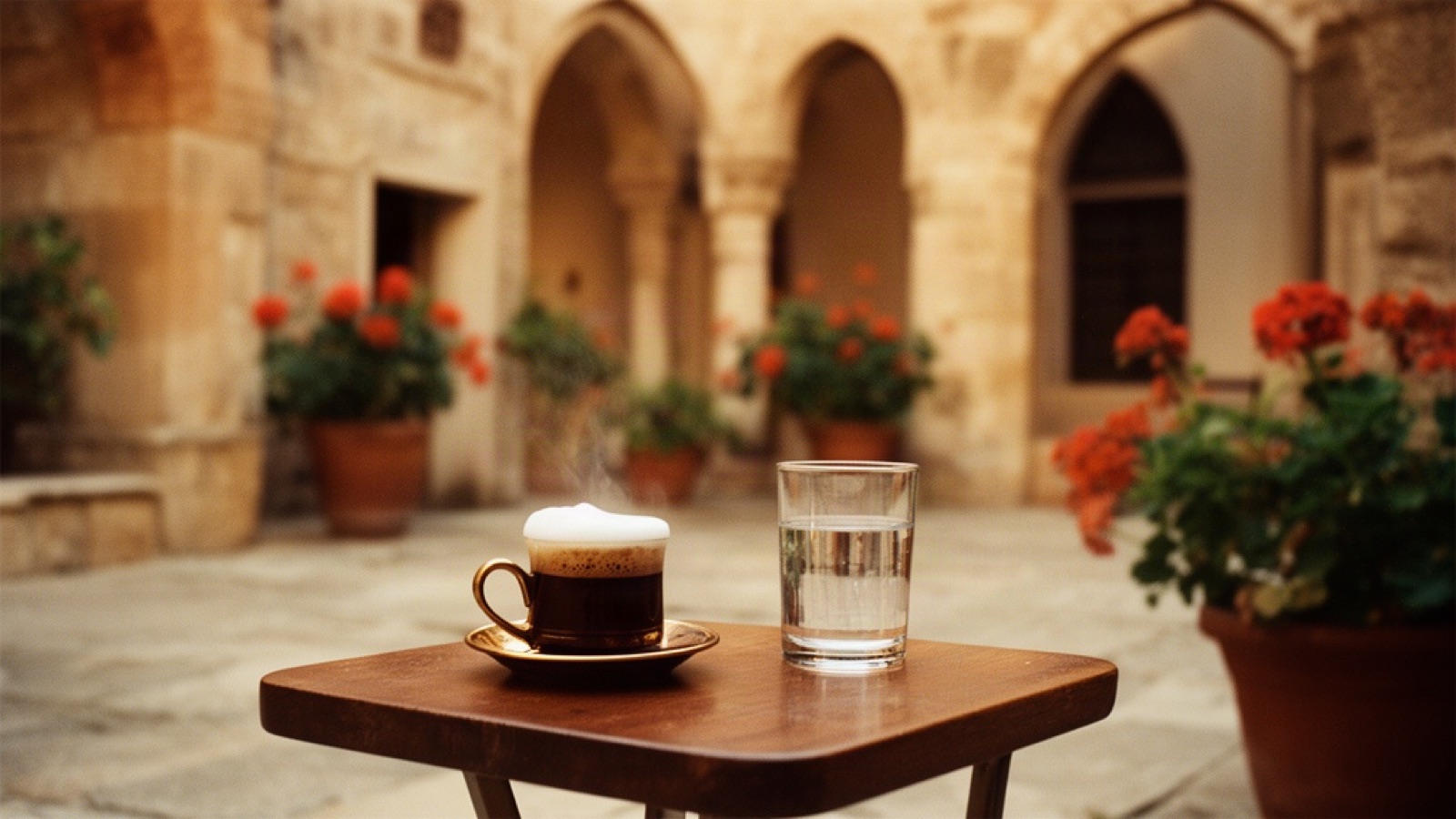
Far to the north, the UNESCO-listed Ottoman town of Safranbolu gives its name to the saffron grown in the surrounding fields, and the local specialty coffee carries a few precious threads of it. Saffron coffee here is a gentle, aromatic variation, golden at the edges of its scent, and it tastes best in the shaded courtyard of a restored Ottoman mansion, which the town has in wonderful supply.
Safranbolu also makes an easy first step into Anatolian coffee travel: it is a comfortable day’s loop from Ankara, and the whole town feels built for unhurried afternoons.
Tips for the Coffee Road
- Order like a local. State your sugar upfront: sade for plain, orta for medium, şekerli for sweet. The sugar is brewed in, never stirred in after; our guide to the ritual of drinking Turkish coffee covers the full etiquette.
- Accept the water. The small glass served alongside is for clearing the palate before the first sip.
- Take your time. Nowhere on this route is coffee a takeaway affair. The cup is an invitation to sit, and refusing the sit is the only real faux pas.
- Bring some home. Twice-roasted mırra beans, a bag of menengiç, or Safranbolu saffron all travel well, and each one lets you spice your own autumn cups with a memory attached.
The little cup is the same everywhere and different everywhere, which is the best reason to travel for it. May your cezve always foam and your cup always come with a story. We wish you a delicious journey!